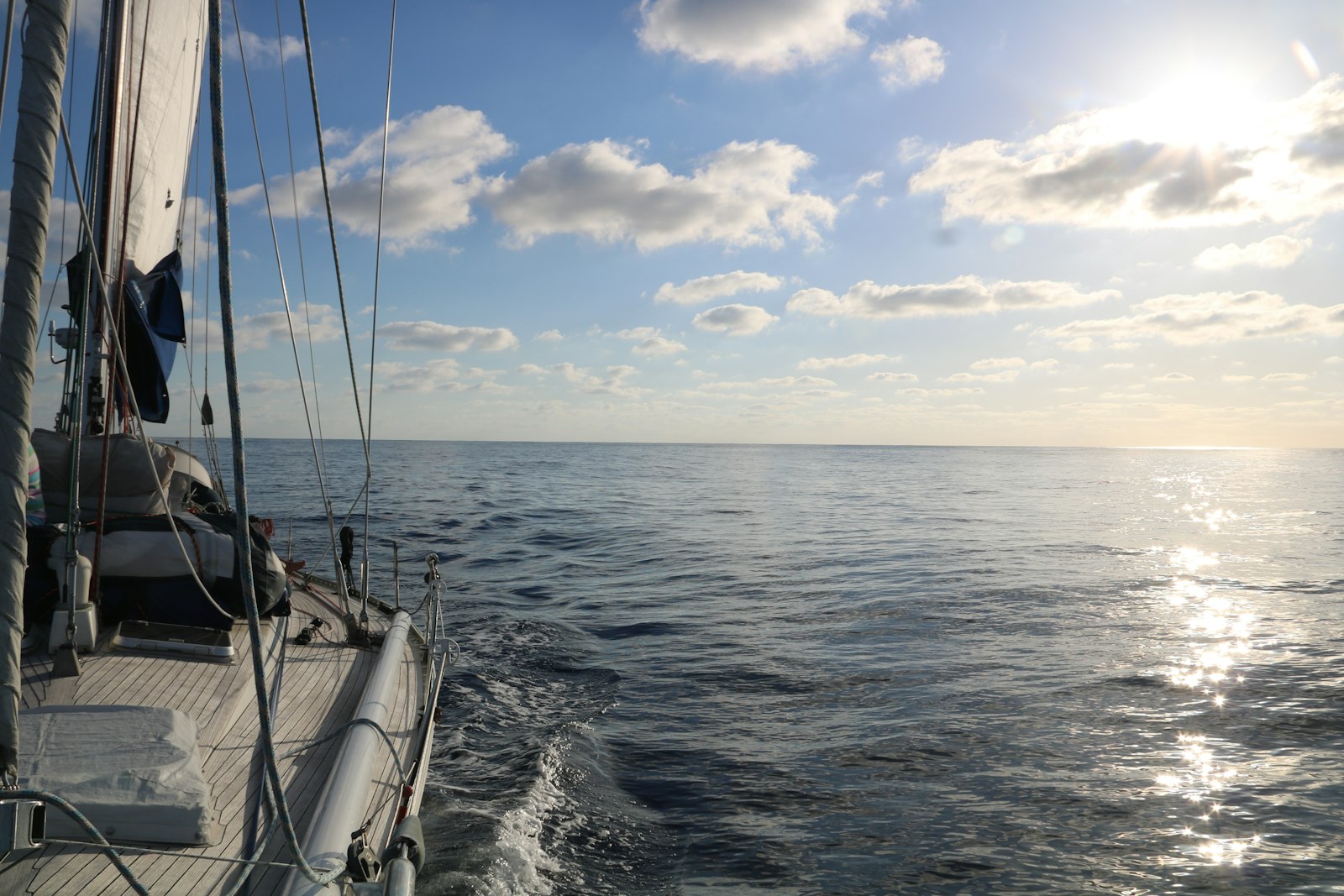
The fleet comes to Atlantic Ocean
The Queen ofthe Atlantic
Every great sailing tradition was born on these waters. The Queen comes to claim her sea.
The fleet comes to Atlantic Ocean
Every great sailing tradition was born on these waters. The Queen comes to claim her sea.
Her Realm
The Atlantic is the mother ocean of Western civilization — the route of Columbus, the highway of the clippers, the bridge between hemispheres. It is not a body of water. It is a record. Its weather is real, its currents deliberate, and its history visible in the shape of every rigging choice made for the last five hundred years.
The Experience
Push off from the dock and let the Atlantic show you what it knows. The wind builds past the harbor mouth in long rollers that carry news from places you cannot see — the Azores, Bermuda, the Canaries, Cape Verde. Out here the Atlantic shows you the same horizon Columbus showed his crew when there was nothing to do but sail. Return home with the kind of quiet that only salt air and open sea can produce, and the knowledge that every ocean crossing in history began exactly like this.
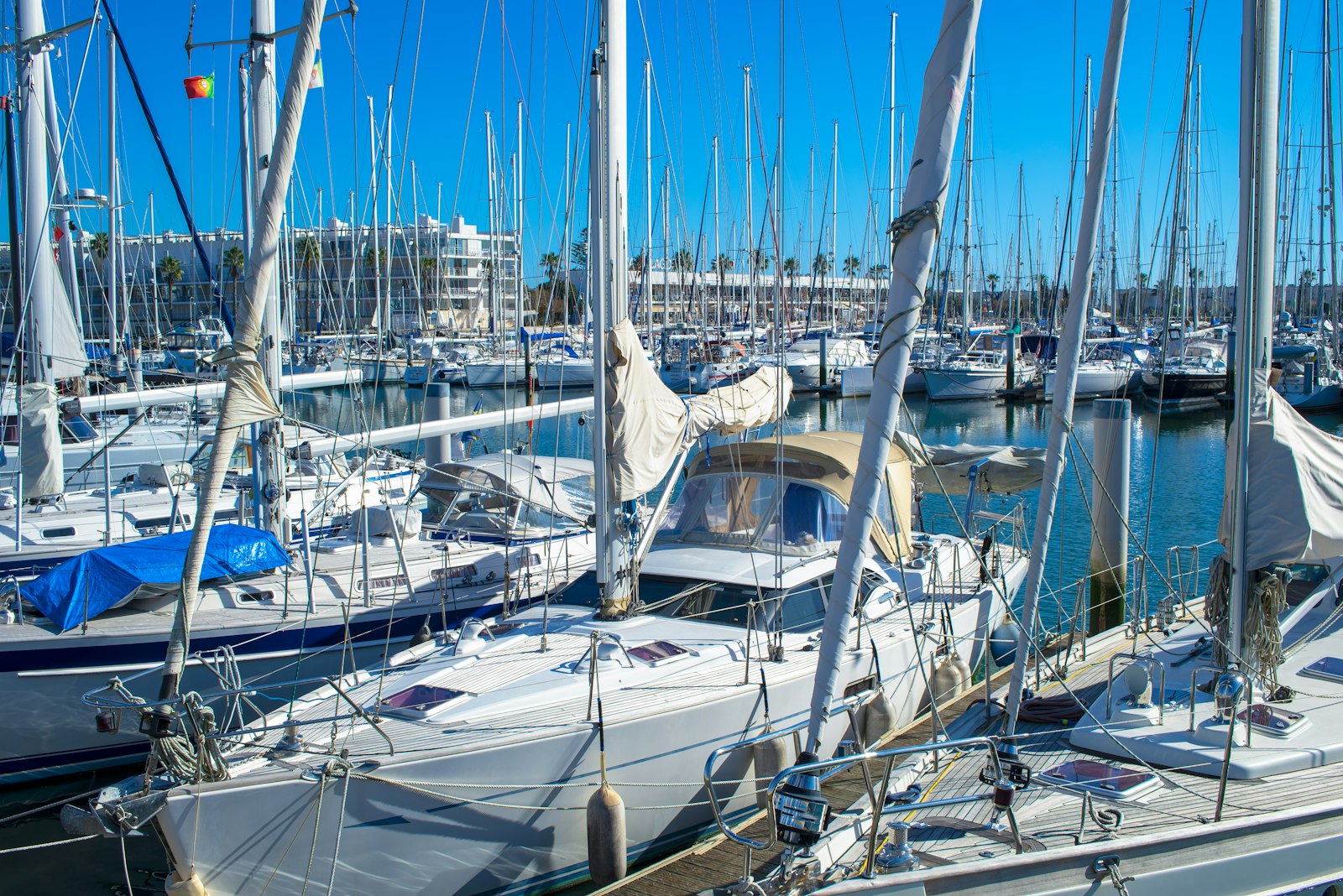
From the Water
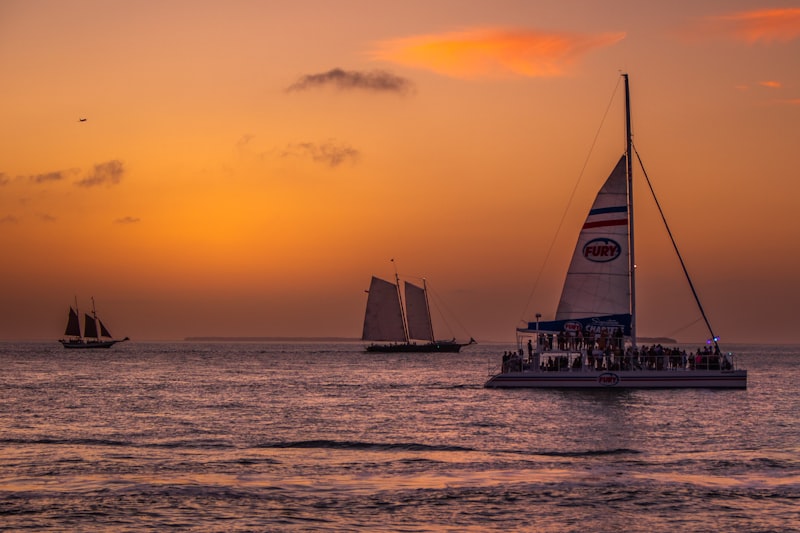
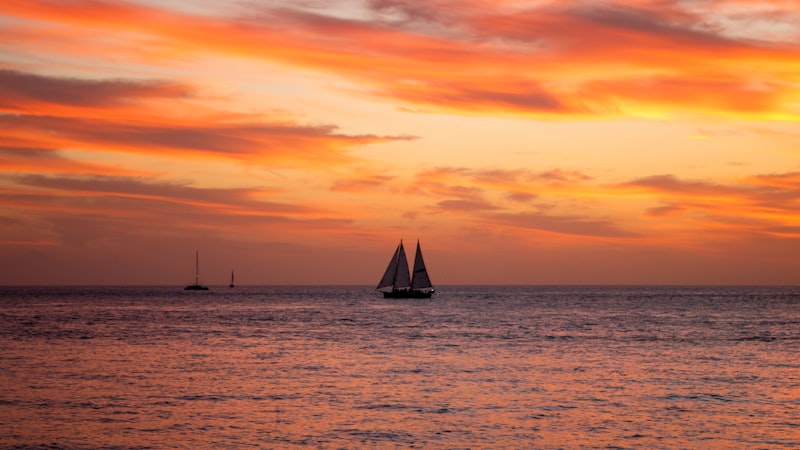
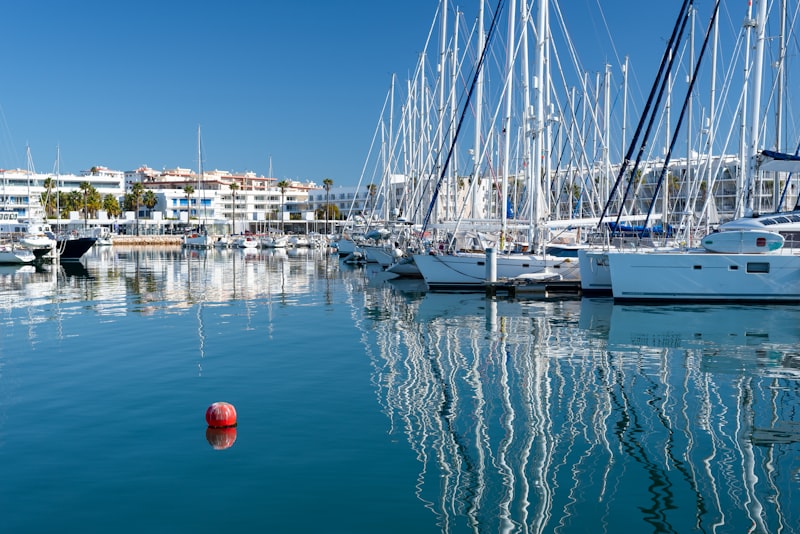
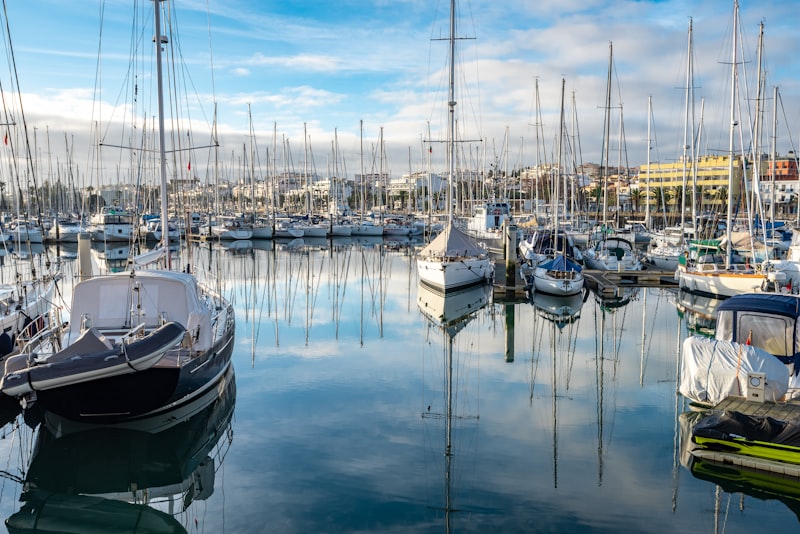
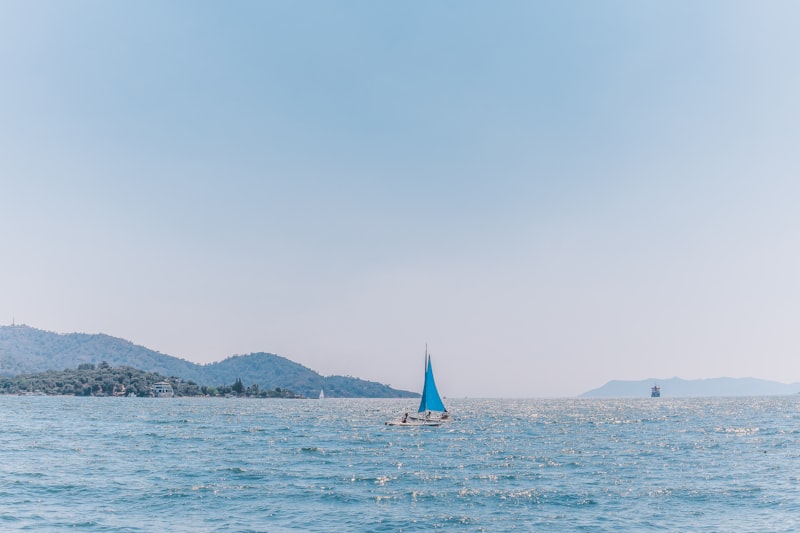
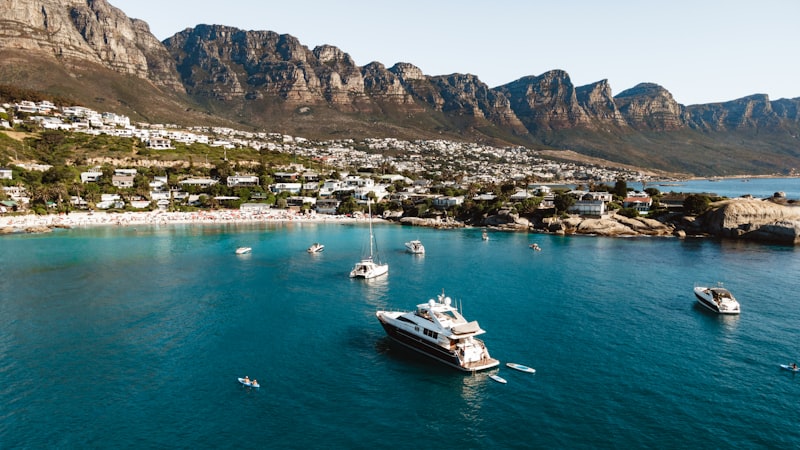
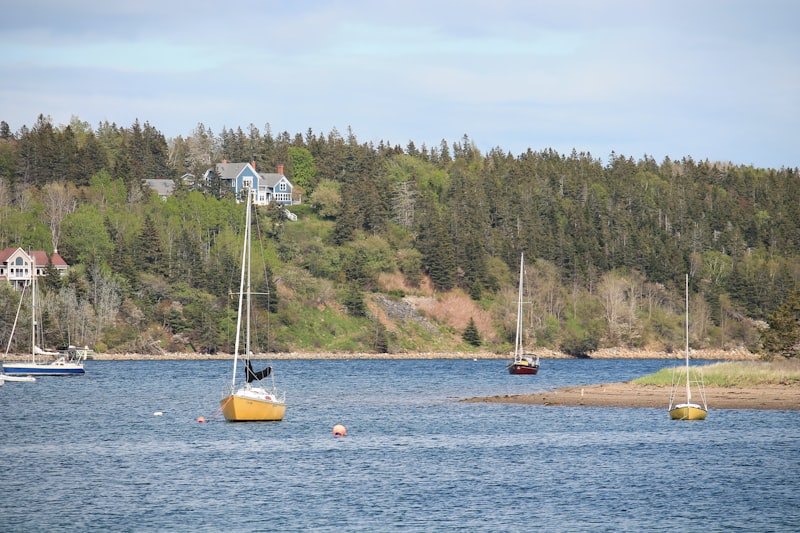
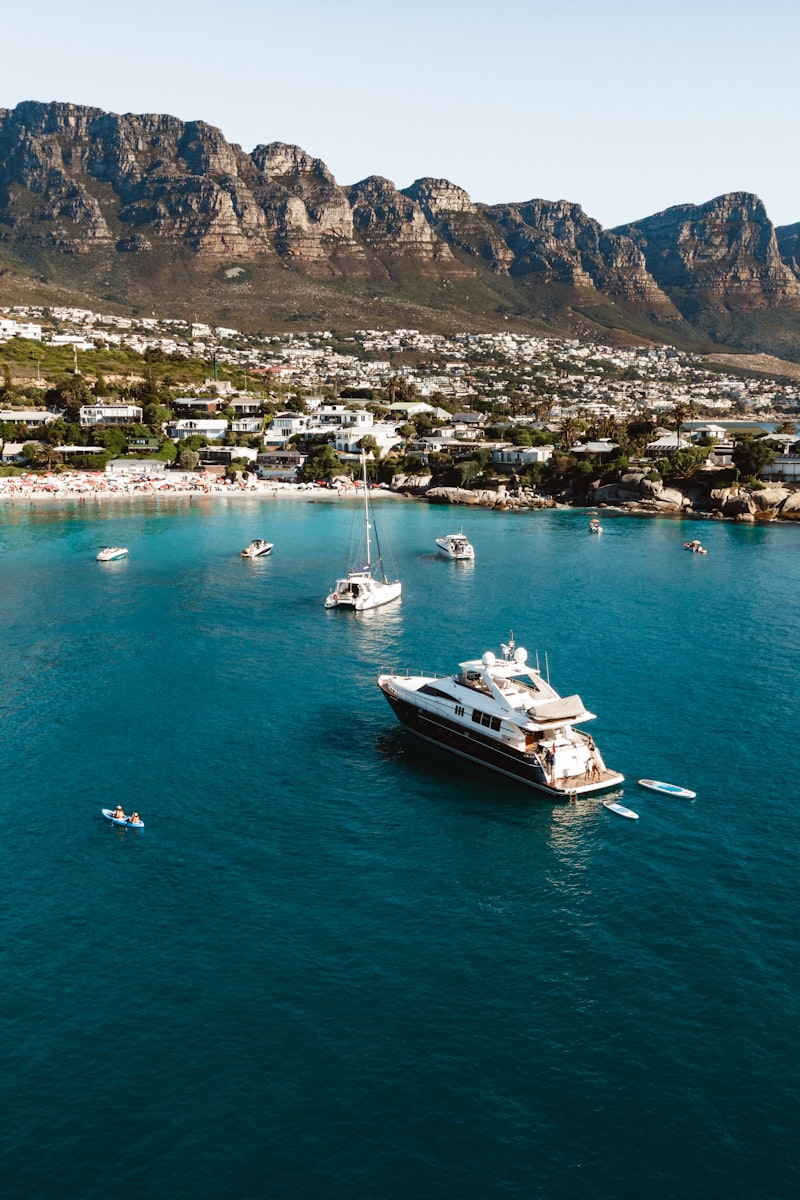
Destination · by The Queen’s Fleet
The Atlantic as a sailing destination is everywhere and nowhere: it is the ocean you are already on, regardless of which coast you depart from, and yet the idea of an Atlantic passage — the 2,700-mile trade-wind route from the Canaries to Barbados, the 3,000-mile upwind grind from the Azores to the American east coast, the 4,000-mile Southern Ocean passage that the clipper ships called the Cape Horn run — carries a weight that no Mediterranean or Pacific crossing entirely replicates. The Atlantic is the ocean the Western world learned to sail, and the routes still teach the same lessons about weather, endurance, and patience that they always have.
The transatlantic trade-wind route, following Columbus's 1492 track from the Canaries southwest to the Caribbean, is the most-sailed ocean passage in the world by both amateur and professional boats. The Atlantic Rally for Cruisers (ARC) fills Las Palmas de Gran Canaria every November with several hundred boats preparing for the same crossing Columbus made without GPS, without freeze-dried provisions, and without satellite communication. The route is not difficult by modern standards — the trade winds are consistent, the swell is regular, and the warmth builds as the latitude decreases — but it is long, and length is the Atlantic's specific contribution to the curriculum of ocean sailing. The crossing teaches what no coastal sailing can.
From the American east coast, the Atlantic's accessible sailing is the cruising grounds that defined American yachting: Newport to Bermuda (six hundred miles, the world's oldest ocean race, run continuously since 1906 except for the war years), the Maine island chains with their granite coves and cold fog, the Chesapeake Bay's vast tidal system, and the offshore routes to the Bahamas and the Caribbean through the Florida Straits. These waters produced the training ground for Atlantic passage-makers across two centuries and continue to do so. The Gulf Stream, running north past the Continental Shelf, is the navigational fact that organizes the entire eastern seaboard's weather and its sailing calendar.
The Queen's Fleet's Atlantic page is, like the Pacific page, a horizon more than a single destination — a direction the fleet points its eastern edge toward. The Atlantic will receive its Queen's Fleet presence at the ports that have always been the Atlantic's staging points: Bermuda, Newport, the Azores, the Canaries. Each carries history proportional to the ocean's age; each will hold the same standard the San Diego flagship established. The Atlantic is the source code of all ocean sailing. The Queen's Fleet, originating on the Pacific coast, carries that inheritance across the continental divide to the water where it was written.
The City
A river within the ocean — one hundred times the flow of all the Earth's rivers — running from the Gulf of Mexico to the British Isles. Columbus used it on the voyage home.
The mid-Atlantic island of pink sand and coral that has shaped transatlantic sailing for four centuries — the only warm-water stop between the Americas and Europe.
Portugal's mid-Atlantic archipelago, placed exactly where the trade winds shift — historically the first landfall for ships returning from the New World.
Private crewed charters from $1,000 per hour — yours alone, fully provisioned, and unhurried from the moment you step aboard. Founding-list guests sail first and sail finest.
Join the Founding List